
🐻 Grüns GuideTry Grüns →
Affiliate Disclosure: We may earn a commission when you purchase through our links, at no extra cost to you.
🐻

Featured Product

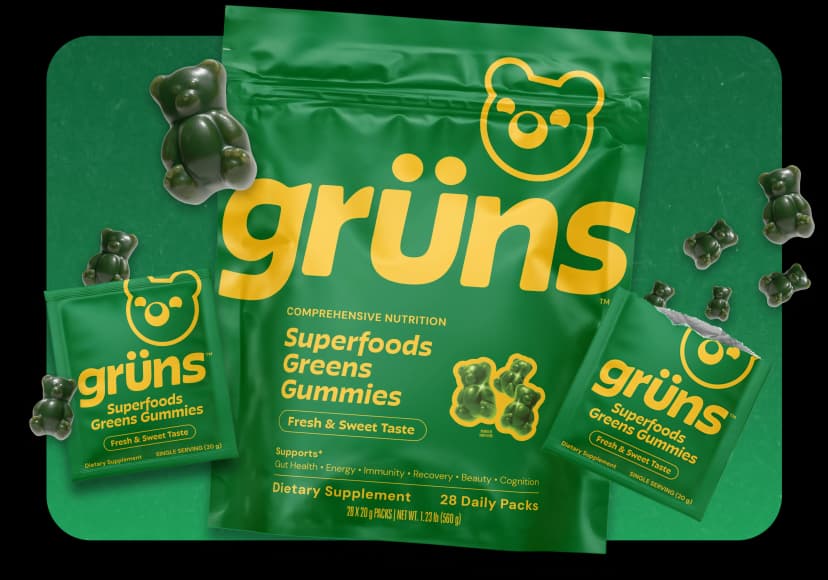
Grüns Superfoods Greens Gummies — 28 Daily Packs

Gut Health · Energy · Immunity · Sugar Free

View on Amazon →

Get Grüns at VIP price — superfoods in a gummy.

Try Grüns VIP →

Nutrition Myths Debunked by Science
As we strive for optimal health and wellness, it's essential to separate fact from fiction when it comes to nutrition. With so much conflicting information out there, it can be challenging to know what to believe. At Grüns, we're dedicated to providing you with accurate and trustworthy information to help you make informed decisions about your diet. In this article, we'll explore some common nutrition myths debunked by science.

Myth #1: Low-Fat Foods are Healthier

The low-fat diet craze of the 1990s and early 2000s led many of us to believe that cutting out fat was the key to a healthy lifestyle. However, research has shown that not all fats are created equal. Some of the healthiest fats, such as those found in nuts, seeds, and avocados, are actually beneficial for our bodies. In contrast, the added sugars and refined carbohydrates found in many low-fat products can lead to weight gain, insulin resistance, and other health problems. In reality, the key to a healthy diet is to focus on whole, unprocessed foods and choose fats that are rich in nutrients and antioxidants. At Grüns, our greens gummies are made with healthy fats and natural ingredients to provide a nutritious and delicious supplement to your diet.

Myth #2: Egg Yolks Are Bad for You

Try Grüns VIP → For decades, egg yolks have been villainized as a source of cholesterol and saturated fat. However, recent studies have shown that dietary cholesterol has a limited impact on blood cholesterol levels for most people. In fact, the yolks are a rich source of protein, vitamins, and minerals, including choline, which is essential for brain function and metabolism. In fact, some research suggests that eating egg yolks may even be beneficial for heart health, as the yolks contain antioxidants and other compounds that can help protect against cardiovascular disease. So go ahead and enjoy that egg omelette or scrambled eggs – just be sure to choose eggs from pasture-raised hens whenever possible.

Myth #3: All Carbohydrates are Created Equal

With the rise of low-carb diets and sugar-free products, it's easy to assume that all carbohydrates are created equal. However, science tells us that this is not the case. While all carbohydrates contain glucose, which is broken down into energy for the body, some carbs are more beneficial than others. Fiber-rich whole grains, fruits, and vegetables contain a type of carbohydrate that is slowly digested, providing sustained energy and promoting satiety. In contrast, refined grains and added sugars are quickly digested, leading to a spike in blood sugar and insulin levels. At Grüns, we believe in the importance of whole, unprocessed foods as the foundation of a healthy diet. Our greens gummies are made with a blend of fruits, vegetables, and herbs to provide a convenient and delicious way to boost your nutrient intake.

Myth #4: You Need to Drink a Certain Amount of Water Every Day

The advice to drink at least eight glasses of water per day has been a common refrain for years. However, some research suggests that this may be more of a guideline than a hard and fast rule. In fact, a study published in the Journal of the American Society of Nephrology found that drinking extra water had no significant effect on blood pressure or kidney function. What's more, our bodies are capable of regulating their own fluid balance, and some people may actually need more or less water depending on their individual needs. So while staying hydrated is essential, there's no need to worry about meeting a specific daily water quota.

Myth #5: Brown Rice is Healthier Than White Rice

For years, we've been told that brown rice is the healthier choice when compared to white rice. While it's true that brown rice contains more fiber and nutrients than white rice, the difference may not be as significant as we think. In fact, a study published in the Journal of Nutrition found that the nutrient content of brown and white rice was similar when cooked and consumed in the same way. What's more, some forms of white rice, such as jasmine or basmati, may be higher in antioxidants and other beneficial compounds than some types of brown rice. So don't feel like you need to trade in your white rice for brown rice – just be sure to choose whole grains and a variety of nutrient-dense foods to ensure you're getting a balanced diet.

Conclusion

Nutrition myths can be confusing and misleading, but by looking at the science, we can separate fact from fiction. At Grüns, we're committed to providing you with accurate and trustworthy information to help you make informed decisions about your diet. Whether you're looking to boost your nutrient intake, manage your weight, or simply feel better, we're here to help.

Ready to Try Grüns?

Superfoods, prebiotics, and vitamins in one daily gummy. Fresh, sweet taste. No chalky powders.

Get VIP Access to Grüns →

28 daily packs · Sugar free · #1 Greens Brand

Also Available on Amazon →